
Introduction
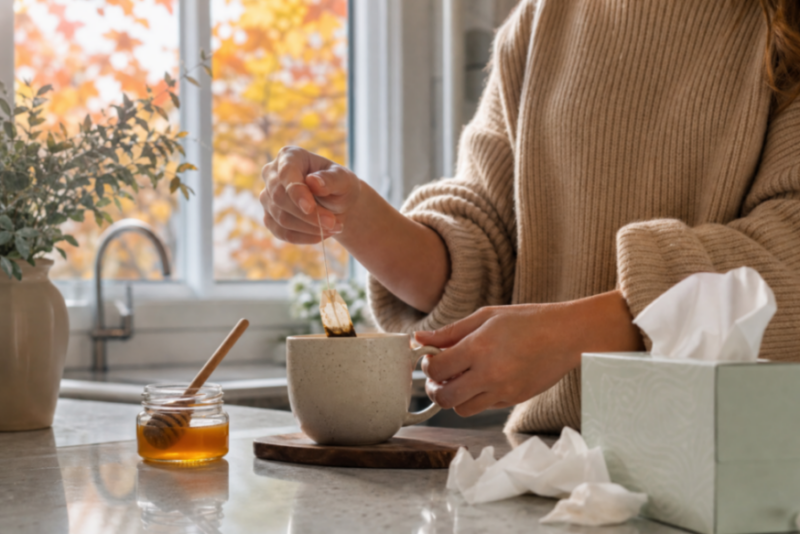
As temperatures drop and schedules change, cold and flu viruses circulate more widely. Preparing for cold and flu season doesn’t require dramatic measures; small, consistent habits can reduce illness risk and support recovery. This article outlines practical, evidence-aware everyday practices you can adopt now to protect yourself and your household, along with guidance on when to seek medical care and how complementary care like acupuncture may fit into a conservative prevention and wellness plan.
Understand the Basics: What You Can and Can’t Control
Respiratory viruses spread through droplets, contact with contaminated surfaces, and close indoor contact. The Centers for Disease Control and Prevention (CDC) recommends a combination of vaccination (for influenza), hygiene, and sensible sick-day practices to limit spread and severity. For common colds there is no vaccine, so daily habits are front-line defenses. For evidence and seasonal guidance, the CDC provides up-to-date flu resources and practical advice on respiratory illness prevention.
Everyday Habits to Prepare for Cold and Flu Season
1. Prioritize Vaccination When Appropriate
Annual influenza vaccination is the primary public-health tool to reduce severe flu outcomes. Discuss timing and suitability with your primary care provider. For other respiratory viruses like the common cold (rhinovirus), there is currently no routine vaccine, which makes consistent everyday prevention more important.
2. Practice Hygienic Habits Daily
- Wash hands with soap and water for at least 20 seconds after being in public spaces, before eating, and after coughing or sneezing.
- Use alcohol-based hand sanitizer when handwashing isn’t available.
- Cover coughs and sneezes with a tissue or your inner elbow, and dispose of tissues promptly.
- Regularly clean frequently touched surfaces (doorknobs, light switches, phones) during peak season.
3. Improve Indoor Air Quality and Reduce Close-Contact Risk
When weather allows, ventilate indoor spaces by opening windows or using exhaust fans. If you must gather indoors, keep groups small, avoid crowded poorly ventilated settings when local transmission is high, and use masks according to public-health guidance or personal risk factors.
4. Prioritize Sleep and Recovery
Consistent, restorative sleep supports immune function. Aim for regular sleep schedules, limit late-night screen time, and create a calming bedtime routine. If you develop symptoms, rest and avoid returning immediately to high-contact activities; rest reduces the risk of complications and transmission.
5. Maintain Balanced Nutrition and Hydration
A diet that supports general health — with fruits, vegetables, whole grains, lean proteins, and adequate fluids — helps sustain immune function. Focus on variety rather than supplements as first-line support; consult your clinician before starting new supplements, especially if you have health conditions or take medications.
6. Manage Stress and Support Emotional Well-Being
Chronic stress can impair immune responses. Daily stress-management practices — breathing exercises, brief walks, mindfulness, gentle movement, or acupuncture for stress relief — can be protective during high-risk seasons. At Abril Acupuncture Wellness, Veronica Abril, L.Ac., Dipl. Ac., emphasizes individualized treatment planning to address stress, sleep disturbances, and pain in ways that complement medical care.
7. Keep Up With Routine Health Care
Control of chronic conditions (diabetes, asthma, cardiovascular disease) reduces the risk of complications from respiratory infections. Stay current with preventive visits and medication management and discuss questions with your primary care clinician.
Conservative Complementary Approaches
Many patients seek complementary care to support overall resilience through seasonal changes. At Abril Acupuncture Wellness in Rockville Centre, individualized acupuncture can be part of a conservative, evidence-aware approach to managing stress, improving sleep, and reducing musculoskeletal pain that might otherwise compromise recovery from illness.
How Acupuncture May Fit In
Acupuncture is used by some patients to support symptom relief for pain, stress, and sleep disturbances. It is not a cure or a replacement for vaccination or standard medical care for infections, and the practice emphasizes realistic expectations and safety. If you are considering acupuncture during cold or flu season, plan treatments when you are well or after acute symptoms have resolved; your practitioner will review symptoms and exposure history during consultation to determine appropriate timing.
Safety and Consultation
Veronica Abril, L.Ac., Dipl. Ac., and the team prioritize informed consent, treatment planning, and aftercare. Before beginning a series of sessions, a consultation helps clarify goals, contraindications, and how acupuncture integrates with other care. Learn more about our approach on the Services page and what to expect for new patients on the What to Expect page.
Practical Day-to-Day Routines
Morning
- Open windows briefly if weather allows to refresh indoor air.
- Have a balanced breakfast with protein and fruit to support energy and blood sugar stability.
- Use hand hygiene after commuting or grocery runs.
Workday
- Take brief movement breaks every hour to reduce muscle tension and stress.
- If you share a workspace, disinfect high-touch surfaces and use a personal water bottle and utensils.
- Opt for remote meetings when you or close household members are symptomatic, if feasible.
Evening
- Unwind with low-stimulation activities to support sleep (reading, gentle stretching, short walks).
- Avoid heavy late-night meals and limit alcohol before bed; both can disrupt restorative sleep.
- Prepare a plan for sick days: have a thermometer, over-the-counter basics, and a plan for contacting medical providers if symptoms worsen.
When to Stay Home and When to Seek Care
Stay home when you have acute respiratory symptoms to avoid spreading illness. Seek medical care promptly if you experience high fever that does not respond to home measures, severe difficulty breathing, chest pain, persistent dizziness, or symptoms that rapidly worsen. For guidance about influenza and respiratory illness severity, consult your primary care clinician or local public-health resources.
Special Considerations for Cosmetic Needling and Clinic Appointments
If you are considering cosmetic procedures offered at our practice — such as facial acupuncture, microneedling, or nanoneedling — inform your practitioner about recent illness or exposures. We schedule cosmetic needling when patients are healthy to reduce infection risk and optimize outcomes. The clinic follows strict infection-control protocols for safety, and we discuss realistic expectations, aftercare, and timing during consultations.
Putting It All Together: A Seasonal Checklist
- Get an annual flu vaccine if eligible and recommended by your clinician.
- Practice regular hand hygiene and respiratory etiquette.
- Improve indoor ventilation when possible and avoid crowded enclosed spaces during high transmission.
- Prioritize sleep, balanced nutrition, hydration, and stress management.
- Keep routine medical care and chronic-condition management up to date.
- Plan conservative complementary care with an evidence-aware practitioner; consult before starting new treatments.
How Abril Acupuncture Wellness Can Help
At Abril Acupuncture Wellness, Veronica Abril, L.Ac., Dipl. Ac., provides patient-centered consultations and individualized treatment plans that emphasize safety and realistic expectations. Whether you seek help managing stress and sleep during cold and flu season, conservative pain relief, or conservative cosmetic skin treatments, our practice frames services around informed consent, treatment planning, and careful aftercare. Learn more about our clinical philosophy on the About Us page and the range of therapies on the Services page.
If you’d like a personalized plan to strengthen resilience this season or to schedule an informed discussion about acupuncture or cosmetic needling, Book a consultation with our team.
Evidence and Resources
For the most current public-health recommendations about influenza and respiratory illness prevention, consult authoritative sources such as the Centers for Disease Control and Prevention:
- CDC Influenza (Flu)
- CDC: Common Colds
For questions about how acupuncture or cosmetic procedures may fit into your seasonal wellness plan, schedule a consultation to review your medical history, goals, and the safest timing and aftercare for treatments.
Frequently Asked Questions
Should I get a flu shot to prepare for cold and flu season?
Annual influenza vaccination is recommended for most people as the primary tool to reduce serious flu outcomes. Discuss timing and suitability with your primary care provider, especially if you have chronic health conditions or specific vaccine questions.
Can everyday habits really lower my risk of catching a cold or the flu?
Yes. Consistent habits—hand hygiene, respiratory etiquette, good sleep, balanced nutrition, stress management, and ventilation—reduce exposure and support immune resilience. No single step guarantees prevention, but combined practices lower risk.
Is acupuncture safe during cold and flu season?
Acupuncture can be safe and helpful for managing stress, pain, and sleep when provided by a licensed practitioner. Treatments are scheduled when patients are well; if you have acute infectious symptoms, your practitioner will advise postponing appointments until you recover.
When should I stay home versus seek urgent medical care?
Stay home when you have acute respiratory symptoms to avoid spreading illness. Seek prompt medical care for severe symptoms such as difficulty breathing, chest pain, high fever that doesn't improve, confusion, or rapidly worsening condition.
Are there special precautions after microneedling or nanoneedling during cold and flu season?
Yes. Cosmetic needling is scheduled when patients are healthy to minimize infection risk. Follow your practitioner’s aftercare instructions, avoid touching treated areas, and postpone procedures if you are symptomatic or have been recently exposed.
How can I integrate preventive care with complementary therapies at Abril Acupuncture Wellness?
Start with a consultation to discuss your health history, goals, and risk factors. Veronica Abril, L.Ac., Dipl. Ac., recommends individualized plans that complement medical care, emphasize safety, and set realistic expectations. To begin, Book a consultation.