
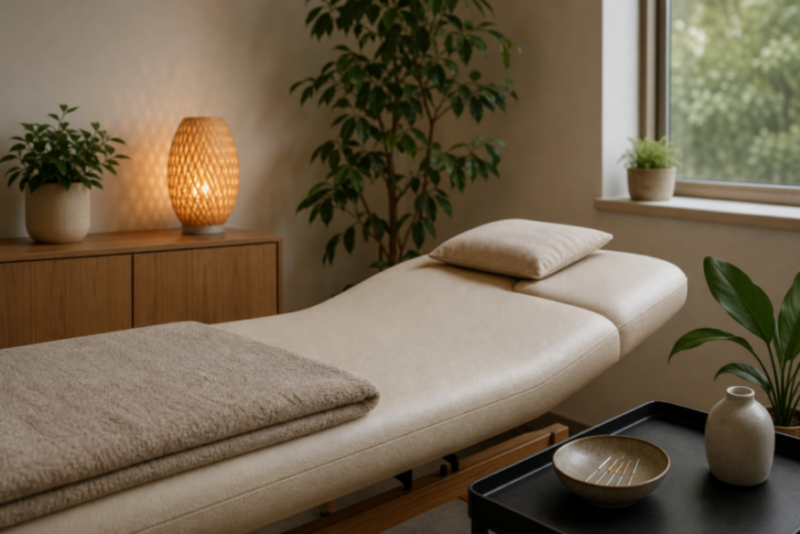
Stress is not just a mental state—it affects posture, sensation, and recovery. At Abril Acupuncture Wellness, Veronica Abril, L.Ac., Dipl. Ac., provides evidence‑informed complementary care for adults with pain, stress, sleep, digestive, and fertility concerns. Whether you live in Rockville Centre, nearby Nassau County communities, or visit from farther afield, this article explains the stress–pain connection, how it produces persistent tension, and what to expect from a conservative, patient‑centered acupuncture approach.
What We Mean by the ‘Stress Pain Connection’
The stress pain connection refers to how psychological and physiological stress change pain perception and muscle tone. Stress activates the autonomic nervous system and stress hormones, which can increase sensitivity to pain, alter muscle tone, and slow healing. Over time a feedback loop can form: pain increases worry and arousal, and stress amplifies pain.
Physiological terms made practical
Clinically this involves shifts in sympathetic (fight/flight) versus parasympathetic (rest/digest) balance, altered nociception (how the nervous system registers noxious input), and peripheral changes such as reduced local blood flow or trigger‑point development. Patients describe feeling ‘on edge,’ heightened discomfort from normal touch, or stiffness that rest does not fully relieve.
Acute versus chronic responses
Short‑lived (acute) stress can be adaptive—brief muscle tightening helps react to immediate threats. Chronic or repeated stress keeps muscles guarded, reduces tissue perfusion, and disrupts sleep and restoration, contributing to persistent tension and pain. For example, neck tightness after a single stressful presentation may resolve in days, while ongoing work stress and poor sleep can produce recurring headaches and months of stiffness.
How Stress Produces Physical Tension
Several overlapping pathways link stress to muscle tension and pain:
- Nervous system sensitization: stress can lower pain thresholds so normal sensations feel more intense.
- Muscle protective guarding: chronic tightening leads to stiffness, restricted motion, and trigger points.
- Hormonal effects: cortisol and adrenaline influence inflammation and tissue perfusion.
- Poor sleep and recovery: stress disrupts restorative sleep, impairing tissue repair and resetting of pain pathways.
Common patterns of tension
Typical symptoms include neck and shoulder tightness, headaches, jaw clenching (bruxism), low back stiffness, and generalized muscle tension. Tension can also affect breathing—shallow chest breathing reinforces sympathetic activation and increases upper chest and neck tightness. For instance, jaw or temple pain that worsens on busy weekdays and eases on weekends points to a stress component and is amenable to targeted interventions like jaw stretches or facial acupuncture.
Evidence and the Role of Complementary Care
Research and clinical guidelines indicate mind–body interactions influence pain outcomes. For those seeking nonpharmacologic options, acupuncture has evidence of benefit for some chronic pain conditions and is included in guidelines for chronic low back pain as a recommended therapy. The National Center for Complementary and Integrative Health (NCCIH) provides a balanced overview of acupuncture research and emphasizes qualified practitioners.
No single therapy is universal; effective care typically combines symptom relief, patient education, stress‑management skills, movement, sleep hygiene, and personalized planning.
How Acupuncture Can Fit Into Care for Stress‑Related Tension
At Abril Acupuncture Wellness, acupuncture is used within a conservative, individualized plan to reduce tension and support recovery. Goals commonly include decreasing muscle hypertonicity, improving local circulation, lowering nervous‑system arousal, and promoting sleep and relaxation.
Specific elements of care may include:
- Comprehensive intake to identify pain patterns, stressors, medications, and medical history.
- A tailored treatment plan with realistic goals and aftercare recommendations.
- Adjunctive modalities when appropriate—cupping, moxibustion, or gentle electroacupuncture—chosen for safety and patient preference.
- Education about self‑care: brief breathing practices, posture strategies, and sleep‑supportive habits to reduce the stress‑pain connection between visits.
For details on the initial visit, see: What to Expect at Your First Acupuncture Appointment in Rockville Centre.
Who is a good candidate, and when to be cautious
People with stress‑related muscle tension and no red flags often respond well to acupuncture as part of a broader plan. Contraindications are reviewed during intake: bleeding disorders or anticoagulant use require caution; electrical stimulation is modified or avoided for patients with implanted electrical devices; pregnancy prompts point selection adjustments. Always share your full medical history and medications so care can be tailored safely.
Typical treatment frequency and decision guidance
Schedules depend on severity and chronicity. Acute tension might be treated 1–2 sessions per week for several weeks; chronic patterns often start with weekly sessions for a month or more before reassessment. If measurable improvement in pain, sleep, and function occurs, visits are spaced further apart. We set measurable goals and adjust plans based on progress.
Safety, realistic expectations, and evidence‑awareness
Acupuncture is generally well tolerated when performed by a licensed practitioner using single‑use sterile needles. Outcomes vary; treatments are framed around likely benefits, potential risks, and measurable goals rather than guarantees. NCCIH guidance about evidence and safety is discussed during consultation, and coordination with your primary care provider is encouraged when indicated.
Integrating Stress Management and Aftercare
Because stress sustains tension, aftercare should address physical and emotional contributors. Recommended home program components include:
- Regular gentle movement—walking, stretching, or mobility work to reduce stiffness (for example, 6–8 neck rotations and shoulder rolls in the morning, plus a midday 10‑minute walk).
- Daily breathing or relaxation practice (even 5–10 minutes). Try box breathing (inhale 4, hold 4, exhale 4, hold 4) or a 4‑6 diaphragmatic pattern.
- Sleep‑support strategies: consistent schedule, cool/dark room, and limiting stimulants and screens before bed.
- Follow‑up treatment and adjustment of the care plan based on progress.
Sample short relaxation: sit comfortably, tense a muscle group for five seconds (feet, calves, thighs), then release and notice the drop in tension. Progressively move through the body for 8–10 minutes.
We review personalized aftercare during each treatment and provide resources so patients can continue progress between visits. For lower back timelines and aftercare, see: Acupuncture Treatment for Chronic Lower Back Pain: Timelines and Aftercare.
When Cosmetic Treatments and Stress Intersect
Some patients seeking cosmetic options (facial aging, skin texture) find that jaw and neck tension affect outcomes. Abril Acupuncture Wellness offers conservative cosmetic options such as facial acupuncture and nanoneedling, delivered with safety‑first counseling and realistic expectations.
We recommend addressing tension, sleep, and overall health before cosmetic procedures—reducing jaw clenching and improving sleep often improves recovery and satisfaction. See our Services page and Nanoneedling for details.
Practical Steps You Can Try Today
To interrupt the stress–pain cycle immediately, try these simple practices:
- 2‑minute neck and shoulder scan: breathe slowly, notice tension, then gently massage or breathe into those areas.
- Diaphragmatic breathing: inhale 4, exhale 6 for five minutes to activate calming pathways; or use box breathing during short work breaks.
- Keep an activity log to spot stress or posture triggers for pain.
- Ergonomics: raise your monitor to eye level, relax shoulders, and use a pillow that maintains a neutral cervical curve.
- Progressive muscle relaxation: tense and release muscle groups from feet to face over 8–10 minutes.
These practices support professional care but do not replace medical evaluation when needed.
How We Work: Consultation, Planning, and Follow‑Up
At your first visit, Veronica Abril conducts a thorough intake to understand symptoms, medical history, stressors, and goals. Treatment planning includes timelines, measurable objectives, and shared decision‑making. Written aftercare and follow‑up scheduling are provided.
To arrange a consultation or ask how acupuncture might address stress‑related tension, please Book a Consultation via our contact page.
Summary: Breaking the Cycle
The stress pain connection is a common, modifiable contributor to persistent tension. Understanding nervous‑system sensitization, protective muscle guarding, and the role of sleep and hormones allows patients and clinicians to design conservative, evidence‑aware strategies. Acupuncture can be a useful component when combined with stress‑management techniques, movement, and personalized aftercare. If you’re curious whether this approach suits your needs, contact Abril Acupuncture Wellness for a consultation.
For more about our practice and philosophy, visit our Home and About Us pages.
Frequently Asked Questions
What does the stress pain connection mean in simple terms?
It describes how psychological and physiological stress increase muscle tension, lower pain thresholds, and slow recovery, creating a cycle where stress and pain reinforce each other.
Can acupuncture reduce tension caused by stress?
Acupuncture may reduce muscle tension and nervous‑system arousal for some people and can be part of a broader plan that includes stress‑management, movement, and sleep hygiene. Outcomes vary by individual and condition.
How many acupuncture sessions will I need to see improvement?
Frequency and duration depend on the condition and its chronicity. Typical approaches range from 1–2 sessions per week for acute issues to weekly visits for chronic concerns, followed by reassessment. A personalized plan with realistic timelines is created at consultation.
Are acupuncture and nanoneedling appropriate if I have stress‑related jaw or facial tension?
They may be options, but we evaluate jaw and facial tension within overall health and stress factors before recommending cosmetic procedures. We coordinate with dental or medical providers when TMJ, grinding, or structural issues are prominent.
What self‑care can I do at home to break the stress–pain cycle?
Short diaphragmatic breathing sessions, gentle daily stretching or walking, consistent sleep routines, ergonomic adjustments, and tracking triggers help support recovery and professional treatments.
Are there warning signs that I should see a doctor instead of (or in addition to) acupuncture?
Yes. Seek prompt medical care for red flags such as new or worsening neurological symptoms (numbness, weakness, difficulty walking), unexplained fever, sudden severe pain, unexplained weight loss, or loss of bladder/bowel control. We will coordinate care and refer when needed.
How do I book a consultation with Abril Acupuncture Wellness?
To book, please visit our contact page and request an appointment: https://abrilacupuncturewellness.com/contact-us/.
Are acupuncture and nanoneedling appropriate if I have stress-related jaw or facial tension?
Facial acupuncture and conservative nanoneedling may be options, but we evaluate jaw and facial tension as part of overall health and stress factors before recommending cosmetic procedures. Safety and realistic expectations are central to our approach.
What self-care can I do at home to break the stress–pain cycle?
Simple practices help: short diaphragmatic breathing sessions, gentle daily stretching or walking, consistent sleep routines, and tracking triggers for pain or tension. These support professional treatments and recovery.