
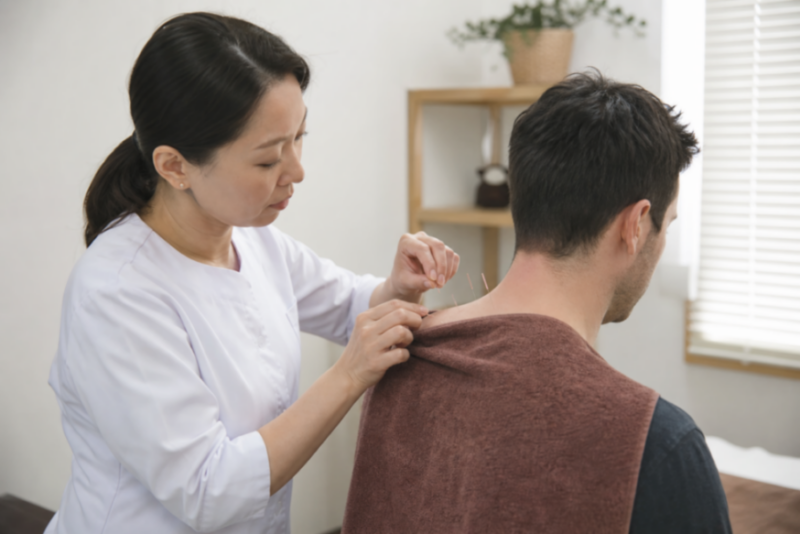
Neck pain is common and can affect sleep, work, and daily comfort. Many people seek complementary options such as acupuncture alongside medical care. This article answers common patient questions about acupuncture for neck pain, outlines what to expect at consultation and treatment, and explains safety, realistic outcomes, and aftercare. Content is authored for Abril Acupuncture Wellness by Veronica Abril, L.Ac., Dipl. Ac., with an emphasis on individualized, evidence-informed care.
How acupuncture may help neck pain
Acupuncture is a regulated, clinical approach that uses fine, single-use needles and may include adjuncts such as gentle manual techniques, auricular (ear) points, or electroacupuncture when clinically appropriate. Proposed mechanisms include local tissue effects (improved microcirculation around tight muscles and trigger points), modulation of pain pathways (including release of endogenous opioids and changes in pain signaling), and nervous system regulation that can reduce muscle hypertonicity and improve sleep. Clinically, practitioners often combine local needling of tight upper trapezius or paraspinal muscles with distal points on the limbs and ear points to address pain, tension, and stress. Many people report reduced pain, improved range of motion, and better sleep following a course of treatments. The strength of evidence varies by condition; clinicians aim to use acupuncture as part of a conservative, whole-person plan rather than a stand-alone guaranteed cure.
Is acupuncture safe for neck pain?
When delivered by a licensed practitioner using single-use sterile needles and proper technique, acupuncture is generally low risk. Common short-term effects include mild soreness, minor bruising, or brief lightheadedness. Serious complications are rare when sterile disposable needles and recognized safety protocols are followed. At Abril Acupuncture Wellness, we prioritize safety with a full intake, informed consent, and careful point selection—particularly around the neck where vascular and neurological structures require experienced technique. We avoid deep needling directly over major vessels and adapt depth and angle near the cervical spine.
Who should tell their acupuncturist about medical conditions?
Tell your acupuncturist about bleeding disorders, the use of anticoagulant medications, pacemakers (if electroacupuncture might be used), pregnancy, recent spinal surgery, or any implanted devices. Also mention prior imaging (X-rays, MRI), recent injections, or a pending surgical plan. We will adapt point selection and modalities accordingly and coordinate care with your medical providers when needed.
What does treatment look like at Abril Acupuncture Wellness?
Initial visits begin with a thorough consultation and examination to understand your neck pain history, triggers, prior imaging or diagnoses, medications, and goals. Veronica Abril, L.Ac., Dipl. Ac., develops an individualized treatment plan that may include:
- Targeted acupuncture needling to relieve local and referred pain (commonly treating the upper trapezius, levator scapulae, cervical paraspinals, and relevant distal points)
- Auricular point therapy for symptom relief and stress modulation
- Manual techniques, cupping, or moxibustion when appropriate
- Self-care guidance, posture and ergonomics coaching, and gentle home exercises
We emphasize realistic expectations: some patients notice early benefits, while others require a series of treatments to see meaningful improvement. Treatment decisions are guided by ongoing assessment rather than fixed promises of outcomes. Learn more about our approach on the Services page.
How many sessions will I need?
There is no one-size-fits-all answer. Acute neck stiffness from a recent strain may respond in a few visits, while chronic or complex neck pain often requires a course of care (commonly several sessions over weeks) plus home strategies to support recovery. Typical courses for chronic mechanical neck pain are often delivered 1–2 times per week for several weeks, then tapered based on progress. We review progress and adapt the plan at follow-up visits. If needed, we may recommend adjunctive referrals or conservative medical evaluation.
Can acupuncture be combined with other treatments?
Yes. Acupuncture can be integrated with physical therapy, medication, manual therapy, and lifestyle strategies. Coordination often improves outcomes: for example, combining acupuncture with targeted physical-therapy exercises and ergonomic correction can address both symptom relief and underlying contributors such as poor posture or weak scapular stabilizers. We focus on coordinated, conservative care and will communicate with your other providers when appropriate. If you are pursuing imaging, injections, or surgery, acupuncture can still be part of pre- or post-procedure planning—always consistent with your medical team’s guidance.
Are there specific neck conditions where acupuncture is more or less helpful?
Patients with mechanical neck pain—muscle strain, tension-type pain, and some forms of chronic non-radicular neck pain—often experience benefit. Myofascial pain syndromes (trigger points in the upper trapezius or levator scapulae) commonly respond to local needling and manual release. Conditions with nerve root compression (cervical radiculopathy) may experience symptomatic relief from acupuncture, but the underlying structural issue may still require medical management; progressive weakness, loss of reflexes, or clear spinal cord signs need prompt medical evaluation. Examples of red flags that warrant urgent medical attention include progressive arm weakness, sudden severe neck pain with fever, unexplained weight loss, saddle anesthesia, or bowel/bladder dysfunction—acupuncture is not a substitute for emergency or specialist care. We assess red flags during intake and will refer for immediate medical attention if indicated.
What about cosmetic options that involve needling?
Abril Acupuncture Wellness offers conservative cosmetic services such as facial acupuncture and discusses professional microneedling and superficial nanoneedling for skin concerns. Cosmetic needling differs from therapeutic acupuncture for neck pain: the goals, depth of needling, and aftercare vary. If you are interested in facial rejuvenation or nanoneedling, we provide clear counseling about realistic expectations, safety, and aftercare on our Facial Rejuvenation and Nanoneedling pages. We do not promise permanent cosmetic outcomes and will discuss conservative timelines and likely results.
Before and aftercare: practical tips
- Before a visit: avoid heavy meals or excessive caffeine; wear loose clothing that allows access to the neck and shoulders. If you have recent imaging or notes from another clinician, bring them.
- During treatment: let your practitioner know about any unusual sensations; deep pressure or sharp pain should not occur. It is normal to feel a dull ache, heaviness, or a local twitch response during needling.
- After treatment: rest as needed, avoid strenuous activity for 24 hours if you feel sore, and follow prescribed home exercises or posture adjustments. Mild fatigue or temporary soreness is common.
- If you receive cosmetic needling (microneedling/nanoneedling): follow specific skin-care and sun protection guidance to reduce irritation and infection risk.
Examples of safe at-home self-care
Simple, evidence-informed exercises and ergonomics adjustments can complement acupuncture. Examples we commonly recommend:
- Chin tucks: sit tall, gently draw the chin straight back to lengthen the back of the neck; hold 5–10 seconds, repeat 8–10 times, 2–3 times daily.
- Levator scapulae stretch: rotate head 45 degrees, gently tuck chin and draw head down toward the front armpit until a stretch is felt; hold 20–30 seconds, repeat 2–3 times each side.
- Scapular retraction: squeeze shoulder blades together without shrugging; hold 5–8 seconds, repeat 10–15 times to strengthen postural muscles.
Modify or skip exercises if they increase numbness, tingling, or significant pain; discuss alternatives with your practitioner or physical therapist.
How do I choose a practitioner?
Look for a licensed acupuncturist with relevant clinical experience treating musculoskeletal pain, clear infection-control practices (single-use needles), and a patient-centered approach that discusses goals, timelines, and risks. Ask about their experience treating neck pain, whether they use adjuncts (cupping, electroacupuncture), and how they coordinate care with other providers. If you are local to Rockville Centre or the surrounding area, confirm state licensure and read patient reviews for practical insight into appointment logistics and communication. At Abril Acupuncture Wellness, Veronica Abril, L.Ac., Dipl. Ac., practices evidence-informed, whole-person care with an emphasis on safety and realistic counseling. If you’d like to learn what happens at your first visit, see What to Expect at Your First Acupuncture Appointment in Rockville Centre.
Evidence and where acupuncture fits in your care
Clinical studies show variable benefit for acupuncture depending on the condition and study design. Many patients report meaningful symptom relief when acupuncture is combined with other conservative measures such as exercise and ergonomic change. Authoritative health organizations note acupuncture as an option for certain types of chronic pain, while also calling for more high-quality research in some areas. We use evidence as a guide, not as a guarantee, and emphasize shared decision-making in treatment planning: we review your history, expected benefits, likely timeline, and alternative or complementary options so you can make an informed choice.
Practical considerations and insurance
Insurance coverage for acupuncture varies. Some plans cover treatment for specific diagnoses; others provide partial or no coverage. Our clinic team can provide superbills or receipts to submit to your insurer. If you’re unsure whether acupuncture is covered, check with your plan before scheduling or ask us to assist with documentation. We also discuss out-of-pocket options and typical visit lengths so you can plan care that fits both medically and financially.
Next steps: consultation and booking
If you’re considering acupuncture for neck pain, request a consultation so we can review your history, set goals, and design a safe, individualized plan. To book a consultation, please Contact Us. You can also learn more about our overall approach on the Acupuncture for Pain and Stress page.
Patient-centered closing
At Abril Acupuncture Wellness, our goal is to support recovery with compassion, clear communication, and conservative care planning. Veronica Abril, L.Ac., Dipl. Ac., and the team welcome questions and prioritize safety, realistic expectations, and measurable progress rather than promises. If you have neck pain and are curious about a complementary approach, book a consultation to discuss whether acupuncture fits your care plan.
Frequently Asked Questions
Is acupuncture effective for neck pain?
Acupuncture can be effective for some people with mechanical or chronic neck pain, often as part of a multimodal conservative plan. Individual responses vary; some patients feel improvement after a few sessions, while others need a longer course. Your practitioner should set realistic expectations during the consultation and provide milestones for reassessment.
Is acupuncture safe for the neck area?
Yes—when performed by a licensed acupuncturist using single-use sterile needles and appropriate technique. Mild soreness or bruising can occur. Serious complications are rare with proper infection-control and point selection. Disclose medical history and medications so your practitioner can adapt care.
How many treatments will I need to see improvement?
There is no fixed number. Acute issues may improve in a few sessions; chronic or complex pain commonly requires multiple treatments over several weeks with reassessment. Your practitioner will track progress and revise the plan as needed.
Can I combine acupuncture with other therapies?
Yes. Acupuncture is commonly integrated with physical therapy, medication, ergonomic changes, and gentle home exercises. Coordination with your medical team is recommended when care includes other interventions.
Will acupuncture cure the cause of my neck pain?
Acupuncture can relieve symptoms and support recovery, but it is not a guaranteed cure. Identifying underlying causes, such as structural issues or neurological deficits, may require medical evaluation. Acupuncture is best used as part of an evidence-informed care plan.
How should I prepare for and care for my neck after acupuncture?
Before a visit, avoid heavy meals and excessive caffeine; wear comfortable clothing. Aftercare often includes rest if sore, avoiding strenuous activity for 24 hours, and following home-care guidance like posture adjustments and prescribed gentle exercises. If cosmetic needling is performed, follow specific skin-care and sun protection instructions.