
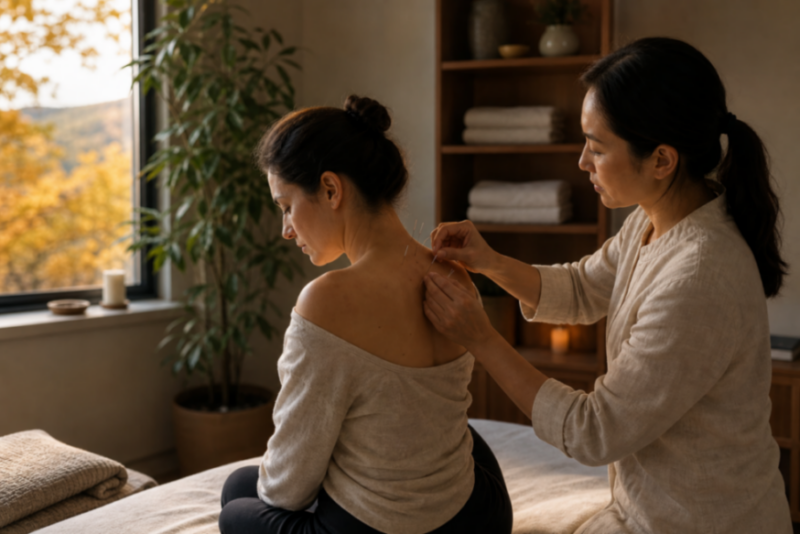
As the days shorten and routines shift, many adults notice an increase in low-level anxiety, disrupted sleep, and a general sense of stress. For people seeking complementary, evidence-informed care, acupuncture can be part of a conservative, safety-focused self-care plan for fall stress. At Abril Acupuncture Wellness, Veronica Abril, L.Ac., Dipl. Ac., and the clinical team provide individualized treatment planning, clear expectations, and aftercare support to help you use acupuncture strategically as the seasons change.
What we mean by “fall stress” and why it matters
“Fall stress” describes the cluster of emotional and physical responses tied to seasonal transitions: changing daylight, shifting social and work obligations, back-to-school logistics, and the gradual move toward colder weather. These changes commonly disrupt sleep, mood, digestion, and pain patterns. For example, shorter days can change exposure to natural light and shift circadian cues that help you fall asleep and wake, while new or renewed schedules (school drop-offs, earlier evenings) raise day-to-day demands.
Addressing these concerns early—before they cascade into chronic sleep loss, persistent anxiety, or worsening pain—supports resilience and overall health. For many people, a proactive approach that combines conservative therapies with practical lifestyle adjustments reduces the likelihood of needing more intensive interventions later.
How acupuncture fits into a seasonal self-care routine
Acupuncture is a needle-based, whole-person intervention that many patients find helpful for nervous system regulation, sleep support, and pain relief. It is not a cure or a substitute for medical care, but when combined with reasonable lifestyle changes and other conservative therapies, acupuncture can be a useful component of a fall self-care plan.
Proposed physiological mechanisms for some acupuncture effects include modulation of the autonomic nervous system (for example, increased parasympathetic or vagal activity in some studies), local and central release of endorphins and other neurochemicals, and changes in microcirculation. These mechanisms are areas of ongoing research and may help explain why some people notice relaxation and improved sleep after treatments.
Goals when using acupuncture for fall stress
- Support sleep initiation and maintenance
- Reduce somatic tension (neck, shoulder, jaw) that often accompanies stress
- Improve digestion and appetite regulation during seasonal changes
- Complement mental health care for mild-to-moderate anxiety symptoms
- Provide a structured chance to slow down and practice mindful rest
What the evidence says
Authoritative resources note that acupuncture may help with some types of pain and stress-related symptoms, though individual responses vary. The National Center for Complementary and Integrative Health (NCCIH) summarizes current research on acupuncture, safety considerations, and recommended questions to ask your practitioner. Major health centers, like the Mayo Clinic, describe acupuncture as a generally safe option when provided by qualified professionals and used alongside conventional care. These sources support using acupuncture as one element of a broader, evidence-aware approach to stress and symptom management (NCCIH: Acupuncture; Mayo Clinic: Acupuncture).
What a conservative, patient-centered treatment plan looks like
At Abril Acupuncture Wellness, a typical plan begins with a consultation and intake to understand your history, current medications, sleep and mood patterns, and goals. Veronica Abril, L.Ac., Dipl. Ac., emphasizes shared decision-making: treatment frequency, adjunctive self-care, and measurable goals are agreed upon at the outset.
Initial visit and planning
The first session focuses on assessment, safety screening, and a gentle initial treatment tailored to your comfort. Expect a discussion of realistic outcomes—acupuncture aims to reduce symptom burden and support resilience rather than deliver dramatic or guaranteed results—and a plan for follow-up care. The intake typically covers sleep habits, caffeine and alcohol use, recent life stressors, and any medical conditions or medications that might influence safety.
Treatment frequency and expectations
There is no single schedule that fits everyone. Some patients notice symptom relief after one or a few sessions; others benefit from a short series to achieve more durable changes. Clinicians commonly recommend a more frequent schedule (for example, weekly) during the acute phase of stress or disrupted sleep, then tapering frequency to every two to four weeks for maintenance, depending on how symptoms respond. Treatment cadence is individualized around symptom severity, response to care, and practical constraints such as work schedules and insurance coverage.
During follow-up visits, your practitioner will review progress against agreed-upon goals and adjust the plan. If you do not feel benefit after a reasonable trial, your clinician should discuss alternatives or referral options with you.
Integrating acupuncture with practical fall self-care
Acupuncture is most effective when paired with straightforward lifestyle measures that address common seasonal stressors. Consider integrating these elements into your routine:
- Sleep hygiene: consistent bedtimes, light exposure in the morning (natural light or a light box for limited daylight), and limiting screens an hour before bed. Try dimming bright overhead lights in the evening to support melatonin production.
- Movement: gentle aerobic activity (30 minutes most days if feasible) and targeted stretching for neck, shoulders, and lower back to reduce physical tension.
- Nutrition: balanced meals and mindful eating to support digestion; regular meal timing can help stabilize energy and appetite during schedule changes.
- Stress skills: brief breathing exercises (for example, 4-4-6 breathing or box breathing), progressive muscle relaxation, or short outdoor walks to reset arousal and improve mood.
Acupuncture sessions can be placed strategically—after a particularly stressful week, before major seasonal obligations, or on a regular cadence to support ongoing regulation. Use sessions as opportunities to practice slowing down and reinforcing other self-care habits recommended by your practitioner.
Safety, conservative cosmetic options, and realistic expectations
Safety and transparent counseling are priorities. Abril Acupuncture Wellness practices single-use sterile needling and maintains a cautious approach to cosmetic treatments. For patients interested in conservative cosmetic options, the clinic discusses facial acupuncture, microneedling, and superficial “nanoneedling” with an emphasis on safety and realistic outcomes. If cosmetic rejuvenation is part of your self-care, ask during your consultation how these options compare and what aftercare will be required. Learn more about facial approaches at Facial Rejuvenation Acupuncture, Microneedling, and Nanoneedling and the clinic’s specific nanoneedling service at Nanoneedling.
Common side effects and aftercare
Mild soreness, brief bruising, or temporary lightheadedness can occur. Aftercare recommendations typically include rest if needed, staying hydrated, and avoiding intense exertion on the day of treatment. Patients taking anticoagulant medications should discuss bleeding and bruising risks with both their prescriber and their acupuncturist; additional precautions or modified techniques may be recommended. If you are pregnant, have a bleeding disorder, or have a pacemaker, mention this during intake so the practitioner can tailor care and advise appropriately.
The clinic emphasizes follow-up and open communication if concerns arise after a visit. Serious complications are rare when care is provided by a licensed, trained practitioner using single-use sterile needles.
How to choose the right acupuncture approach for seasonal stress
Different styles and adjuncts—auricular treatments, cupping, gentle electroacupuncture, or moxibustion—can be effective depending on individual needs. A qualified practitioner will discuss evidence, safety, and how adjuncts might support your goals. If you are comparing providers, useful questions to ask include:
- Are you licensed in this state and what are your certifications?
- How many sessions do you typically recommend for fall-related sleep or anxiety concerns?
- What are the expected benefits and possible side effects of the proposed plan?
- Do you use single-use sterile needles and what infection-control procedures are in place?
- How will you coordinate care with my medical or mental health providers if needed?
For a full list of services and descriptions, visit the clinic’s Services page.
Realistic outcomes and the value of planned care
Acupuncture can reduce the intensity of stress-related symptoms and support sleep and relaxation for many patients, but results vary. Abril Acupuncture Wellness avoids promising dramatic or permanent cosmetic changes and instead highlights measurable, patient-specific goals and conservative treatment progression. This approach helps set appropriate expectations and encourages ongoing review of benefits and alternatives. If fall stress is part of a larger pattern of worsening mood, unintentional weight change, impaired functioning, or thoughts of self-harm, seek prompt medical or mental health care—acupuncture can be part of a plan, but it is not a substitute for urgent treatment.
Preparing for your appointment
Wear comfortable clothing, bring a list of medications, and be prepared to discuss sleep, mood, and recent stressors. The initial consultation guides individualized planning and aftercare recommendations. If you have questions about what to expect, the clinic will review the process and safety measures during scheduling and intake. If insurance or flexible spending accounts (FSAs/HSAs) are important to you, ask about billing practices and whether claims or receipts will be provided for potential reimbursement.
Making acupuncture part of a balanced fall routine
Used thoughtfully, acupuncture is a tool for seasonal support: a gentle intervention that complements sleep hygiene, movement, nutrition, and psychological care when needed. If you are considering acupuncture for fall stress, an individualized consultation can help you decide if it fits your goals and how to integrate it into a sustainable self-care plan. To explore options or schedule a visit, book a consultation with Veronica Abril, L.Ac., Dipl. Ac., and the team at Abril Acupuncture Wellness.
Resources and further reading
- NCCIH: Acupuncture — Evidence summaries and safety guidance
- Mayo Clinic: Acupuncture — Practical overview and patient considerations
Next steps
If seasonal changes are affecting your sleep, mood, or pain, consider a consultation to discuss an evidence-aware, personalized plan that balances acupuncture with practical self-care. Book a consultation at Abril Acupuncture Wellness to explore whether acupuncture for fall stress is right for you.
Frequently Asked Questions
Can acupuncture help with stress that appears in the fall?
Many patients report reduced tension, improved sleep, and greater relaxation after acupuncture. While individual responses vary, acupuncture can be a useful complementary therapy for seasonal stress when integrated into a broader self-care plan and provided by a licensed practitioner.
How many acupuncture sessions will I need to feel better?
There is no one-size-fits-all answer. Some patients notice benefit after one or a few sessions; others follow a short series to achieve more sustained change. Your practitioner will recommend a plan based on your symptoms, goals, and response to initial treatments. A common approach is a weekly series during the acute phase followed by less frequent maintenance sessions if helpful.
Is acupuncture safe, and what side effects should I expect?
Acupuncture administered by a licensed, trained practitioner using single-use sterile needles is generally safe. Mild side effects can include brief soreness, minor bruising, or lightheadedness. Patients on blood thinners or with bleeding disorders should discuss risks beforehand. Serious complications are rare. Your practitioner will review safety measures and aftercare at your visit.
How does acupuncture compare to cosmetic procedures like microneedling or nanoneedling?
Acupuncture and microneedling/nanoneedling are distinct: facial acupuncture is a conservative, needle-based approach focused on relaxation and soft-tissue support, while microneedling and nanoneedling are cosmetic procedures intended to influence skin texture. Microneedling typically penetrates deeper and may require a course of treatments with some downtime; nanoneedling is more superficial and may have less recovery time. Abril Acupuncture Wellness provides evidence-informed counseling about realistic outcomes and safety for these options.
Can acupuncture replace my current medical or mental health care?
No. Acupuncture is a complementary therapy. If you have a medical condition or are under the care of a mental health professional, continue your prescribed treatments and coordinate care. Acupuncture can be integrated with conventional care after discussion with your providers.
How do I schedule a consultation at Abril Acupuncture Wellness?
To discuss whether acupuncture for fall stress fits your needs, book a consultation through the clinic's contact page. The consultation includes intake, safety screening, and a personalized plan. Visit the clinic's Contact Us page to schedule an appointment.